


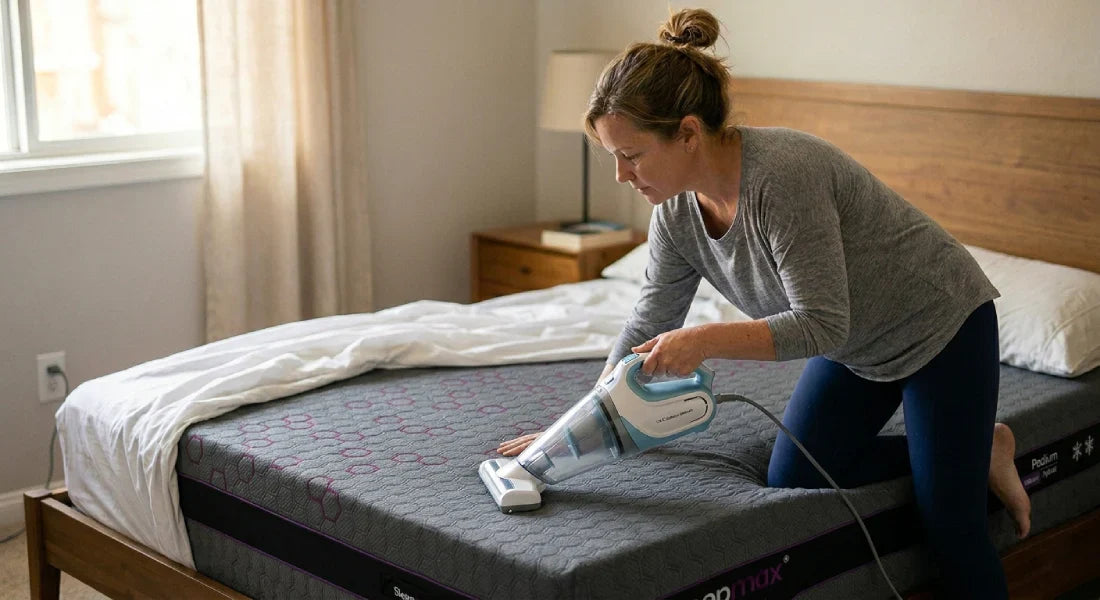
Your mattress is where you spend roughly one-third of your life. Yet, most people never think about what's hiding in those cozy layers—dust mites, dead skin cells, allergens, and bacteria that accumulate night after night. A mattress vacuum (also known as a mattress cleaner or mattress sanitizer) is the solution to keeping your sleep surface truly clean.
But here's the question many shoppers ask: When is the best time to buy a mattress vacuum? In this comprehensive guide, we'll cover everything you need to know about timing your purchase, understanding the benefits, mastering the cleaning process, and choosing the right device for your needs.
Why You Need a Mattress Vacuum
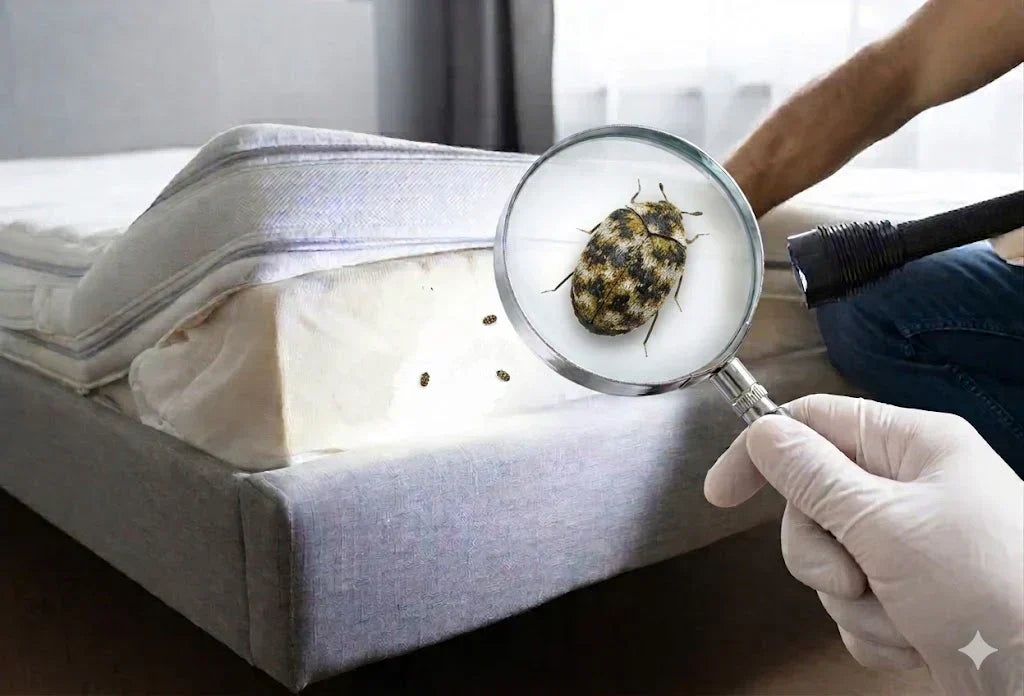
The Hidden Dangers in Your Mattress
Your mattress harbors more than just comfort. Consider these facts:
The average mattress can contain up to 2 million dust mites
Each night, you shed approximately 300 million skin cells while sleeping
Dust mite droppings are one of the leading causes of indoor allergies
Mattresses can absorb 10-20 gallons of sweat per year
These statistics highlight why regular mattress cleaning isn't just about aesthetics—it's essential for your health.
Benefits of Using a Mattress Vacuum
Eliminates Allergens: Dust mites, pet dander, and pollen accumulate in your mattress. A quality mattress vacuum with HEPA filtration traps these particles rather than redistributing them into your air.
Improves Sleep Quality: A cleaner sleeping environment reduces nighttime allergies, sneezing, and itching, helping you sleep more soundly.
Extends Mattress Lifespan: Regular removal of moisture, dead skin cells, and debris prevents premature mattress degradation and odors.
Creates a Healthier Home Environment: For families with children, elderly members, or anyone with respiratory sensitivities, mattress cleaning is a health investment.
When Is the Best Time to Buy a Mattress Vacuum?
Seasonal Sales: Prime Shopping Windows
Presidents' Day Sales (February): Major retailers offer significant discounts on home appliances and cleaning equipment. This is an excellent time to find quality mattress vacuums at 20-40% off.
Memorial Day Weekend (Late May): Another major sales event where many mattress and appliance brands promote discounts. You'll find bundle deals and door busters.
Amazon Prime Day (July): If you shop online, Prime Day often features competitive prices on cleaning appliances. Price comparison is easy with multiple sellers competing.
Black Friday and Cyber Monday (November): The biggest shopping events of the year. While focused on electronics, home cleaning products frequently see substantial discounts.
End-of-Year Clearance (December-January): Retailers clear inventory before new models arrive, creating opportunities for savings on quality products.
Strategic Timing: Beyond Sales Events
When Starting a New Sleep Routine – Beginning a new health or wellness journey? A mattress vacuum is a perfect companion to your commitment to better sleep hygiene.
Before Allergy Season – Purchase in early spring (March-April) to prepare before peak pollen season when allergens are at their worst.
After Major Life Events – Moving to a new home, welcoming a new baby, or adopting a pet are all ideal times to invest in deeper cleaning equipment.
When Symptoms Appear – If you or family members experience unexplained allergies, nighttime congestion, or skin irritation, your mattress might be the culprit—and it's time to buy.
How to Use a Mattress Vacuum: A Step-by-Step Guide
Proper technique maximizes the effectiveness of your mattress vacuum. Follow these six steps for a thorough clean:
Step 1: Prepare the Space
Remove all bedding, pillows, and mattress protectors
Open windows for ventilation (if weather permits)
Ensure the mattress surface is dry
Step 2: Pre-Treatment (Optional)
Sprinkle baking soda over the entire mattress surface
Let it sit for 30-60 minutes to absorb moisture and odors
Lightly vacuum the baking soda with a regular vacuum first (skip for dedicated mattress vacuums with this feature)
Step 3: Choose the Right Attachment
Use the mattress-specific attachment if your vacuum includes one
These attachments typically have a flat, wide head with soft bristles
Avoid using upholstery attachments meant for furniture
Step 4: Vacuum Horizontally
Start from one corner and work your way across in systematic horizontal passes
Overlap each pass by 1-2 inches to ensure complete coverage
Apply gentle downward pressure but don't press too hard
Focus extra attention on seams, tufted areas, and edges where dust accumulates
Step 5: Vacuum Vertically
Repeat the process with vertical passes
This ensures you've reached fibers from multiple angles
Pay special attention to areas where you sleep (head and torso)
Step 6: Final Touches
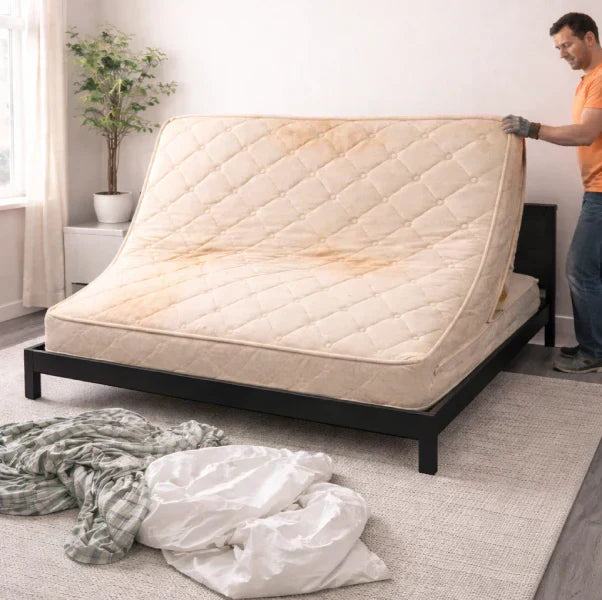
Flip or rotate your mattress if possible and vacuum the underside
Empty or clean the dust container/filter after each use
Allow the mattress to air out for 1-2 hours before making the bed
Mattress Vacuum Cleaning Frequency Guide
How often should you vacuum your mattress? The answer depends on your circumstances:
|
Situation |
Recommended Frequency |
|
General maintenance |
Every 1-2 months |
|
Allergy sufferers |
Every 2-4 weeks |
|
Pet owners |
Every 2-4 weeks |
|
Homes with children |
Every 2-4 weeks |
|
Light sleepers with dust sensitivity |
Weekly |
|
Occasional use (guest room) |
Every 3-4 months |
|
After illness |
Immediately and then weekly for 2-3 weeks |
Pro tip: Set a recurring reminder on your phone or mark your calendar to maintain consistency.
Key Features to Look for When Buying
Must-Have Features
Strong Suction Power: Look for models with adjustable suction. Higher wattage typically means better performance on thick mattresses.
HEPA Filtration: HEPA (High-Efficiency Particulate Air) filters capture 99.97% of particles as small as 0.3 microns, preventing allergens from being released back into the air.
UV-C Sanitization: Some premium models include UV-C light technology that claims to kill bacteria and dust mites on contact. While not a replacement for regular cleaning, it's a valuable addition.
High-Frequency Vibration/Pulsation: This feature helps dislodge dust, mites, and debris from deep within mattress layers before suctioning.
Washable Filter: Convenience matters. Models with washable filters save money and ensure consistent performance.
Multiple Attachments: A good mattress vacuum should include attachments for mattresses, upholstery, and tight spaces.
Nice-to-Have Features
Quiet operation (under 70dB)
Long power cord (at least 16 feet)
Cordless option for easy maneuvering
LED dust sensors that light up to show hidden dirt
Fragrance dispensing for a fresh scent after cleaning
Product Recommendations
Budget Options ($30-60)
Basic Mattress Vacuum
Suitable for light maintenance cleaning
Moderate suction power
Standard filtration
Good for apartments or occasional use
Mid-Range Options ($60-120)
Standard HEPA Mattress Cleaner
Stronger suction for deep cleaning
HEPA filtration included
UV sanitization feature
Multiple attachments
Ideal for most households
Premium Options ($120-200)
Professional-Grade Mattress Sanitizer
Maximum suction power
True HEPA filtration
UV-C sanitization
Intelligent dust sensors
Extended warranty
Best for allergy sufferers and families
Maintenance Tips for Your Mattress Vacuum
After Each Use
Empty the dust container when it reaches 2/3 full
Clean or tap out the filter
Wipe down the exterior with a damp cloth
Check for tangled hair or debris in the brush head
Weekly Maintenance
Inspect the power cord for damage
Clean the brush roller if your model has one
Verify all attachments are secure
Monthly Maintenance
Deep clean the filter (rinse and dry completely)
Check for any unusual sounds or vibrations
Clean the air vents to prevent overheating
Filter Replacement Schedule
|
Filter Type |
Lifespan |
|
Foam filters |
3-6 months |
|
HEPA filters |
6-12 months |
|
Electrostatic filters |
Washable, replace when worn |
Frequently Asked Questions
Q: Can I use a regular vacuum cleaner on my mattress?
A: Yes, but dedicated mattress vacuums are designed with features specifically for this task—stronger suction, specialized attachments, and often UV sanitization. A regular vacuum works in a pinch, but won't provide the same deep clean.
Q: Do mattress vacuums really kill dust mites?
A: Most mattress vacuums remove dust mites and their waste through suction. Models with UV-C light claim to kill mites on contact, though effectiveness varies. True mite elimination requires a combination of vacuuming, washing bedding in hot water (130°F+), and controlling humidity.
Q: How long does it take to vacuum a mattress?
A: Plan for 10-20 minutes per side, depending on mattress size and the level of cleaning required. Regular maintenance takes less time than deep cleaning after months of neglect.
Q: Can I vacuum a memory foam mattress?
A: Absolutely. Memory foam mattresses benefit even more from regular vacuuming since they retain heat and moisture, creating ideal conditions for dust mites. Use gentle suction to avoid damaging the foam structure.
Q: Should I flip my mattress after vacuuming?
A: If your mattress is double-sided, flipping and rotating monthly helps distribute wear evenly. Vacuum both sides during your cleaning routine.
Conclusion
A mattress vacuum is an essential tool for anyone committed to clean sleeping and a healthy home environment. The best time to buy is during major sales events (Presidents' Day, Memorial Day, Prime Day, Black Friday), or whenever health concerns or life changes prompt the need.
Remember: Your mattress deserves the same attention you give to your living room or kitchen. Regular vacuuming extends mattress life, improves sleep quality, and creates a healthier environment for your family.

Leave a comment
This site is protected by hCaptcha and the hCaptcha Privacy Policy and Terms of Service apply.