


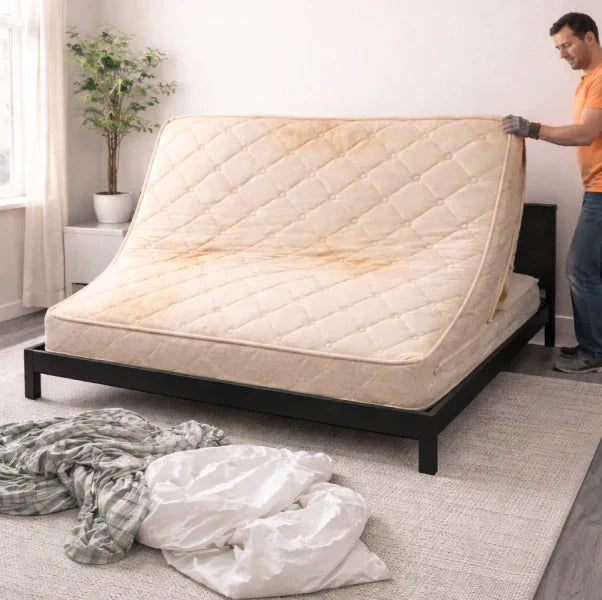
That sagging mattress in your bedroom is not just ruining your sleep — it is a surprisingly heavy environmental burden. Americans throw away roughly 20 million mattresses every year, and the vast majority end up in landfills. A single mattress occupies about 23 cubic feet of space and can take decades to decompose, leaching chemicals and wasting recoverable materials like steel springs, foam, and natural fiber.
The good news? More than 75% of a typical mattress is recyclable. The steel coils become new metal products. The polyurethane foam gets shredded into carpet underlay. Cotton fibers are repurposed into industrial insulation. When you choose the right removal route, your old bed can start a second life instead of piling up in a dump.
Beyond sustainability, mattress removal matters because it is genuinely tricky logistics. Mattresses are bulky, awkward, and — if you have had yours for a decade — potentially home to allergens, dust mites, and worse. This guide covers every option so you can choose what fits your budget, schedule, and values.
6 Signs It's Time to Replace Your Mattress
Most sleep experts recommend replacing your mattress every 7 to 10 years, but wear depends heavily on material, weight, and care. Here are the red flags to watch for:
Visible Sagging or Lumps
Any dip deeper than 1–1.5 inches in the sleep surface means the support core has broken down. This misaligns your spine and causes or worsens back pain.
You Wake Up Stiff or Achy
If you consistently feel better after sleeping somewhere else — a hotel, guest room, or the couch — your mattress is the culprit, not your sleep habits.
Noisy Springs
Squeaking or creaking when you move signals that the internal spring system has worn out. Broken springs provide uneven support and can puncture the surface over time.
Worsening Allergies or Asthma
A mattress more than 8 years old can harbor millions of dust mites, along with mold spores and pet dander. If your nighttime symptoms worsen, your mattress may be the source.
Visible Stains, Odors, or Damage
Surface stains can penetrate deep into layers and breed bacteria. Persistent odors that survive cleaning signal microbial contamination that no mattress topper can mask.
You've Had It for 8+ Years
Even a mattress that looks fine may have lost structural integrity. Foam and fiber break down invisibly over time, silently degrading your sleep quality year after year.
Pro Tip: The lifespan of a mattress varies by type. Innerspring and hybrid mattresses typically last 6–8 years; high-density memory foam or latex mattresses can last 10–12 years with proper care. Investing in a quality mattress protector from day one can add 2–3 years to any mattress's lifespan.
5 Mattress Removal Options Compared
There's no single "best" way to remove a mattress — the right choice depends on your location, budget, timeline, and the mattress's condition. Here are the five main paths, from most eco-friendly to most convenient:

1. Mattress Recycling Programs | FREE & ECO-FRIENDLY
Several states — including California, Connecticut, and Rhode Island — operate free producer-funded mattress recycling programs. Residents can drop off mattresses at designated collection sites at no charge. Use ByeByeMattress.com to find a drop-off location near you.
Even outside these states, independent recycling facilities exist nationwide. They charge a modest fee (typically $20–$50) but ensure that up to 90% of your mattress materials are diverted from landfill. Search Earth911.org for local options.
Best for: Environmentally conscious consumers; residents in participating states.
2. Donate to a Local Charity | FREE (Conditions Apply)
If your mattress is still in good shape — clean, structurally sound, free of stains, and with no signs of pests — donating gives it a second life. Organizations like the Salvation Army, Habitat for Humanity ReStores, and local homeless shelters often accept mattresses. Many will pick it up for free. Call ahead: acceptance policies vary, and most have strict cleanliness requirements.
Best for: Lightly used mattresses in good condition; mattresses less than 5 years old.
3. Retailer Haul-Away Service | MOST CONVENIENT
This is the easiest option for most people: when your new mattress is delivered, the team takes your old one away. Many major brands — Casper, Saatva, Purple, Helix, Mattress Firm — offer haul-away as part of white-glove delivery. Fees vary: some brands include it free, others charge $25–$149. Always ask at checkout.
Best for: Anyone buying a new mattress. This should always be your first call.
4. Municipal Bulk Waste Pickup | LOW COST
Most cities offer bulk waste collection for large items. Schedule a pickup online or by phone, place the mattress at the curb on the designated day, and the city hauls it away. Fees range from free to about $75. Downside: wait times can be 3 days to 4 weeks.
Best for: Single mattresses; when you're not in a hurry; when budget is the priority.
5. Professional Junk Removal Service | FASTEST
Services like 1-800-GOT-JUNK or Junk King will come to your home — often same-day — carry the mattress out, and dispose of it. Prices typically run $75 to $200. When choosing a service, ask whether they recycle or send mattresses straight to landfill.
Best for: Urgent removals; physical limitations; multiple large items; no vehicle access.
Cost Breakdown at a Glance
Here's a quick side-by-side comparison to help you decide which option fits your situation:
|
Option |
Typical Cost |
Turnaround |
Eco-Friendly? |
|
State recycling program (CA/CT/RI) |
Free |
Flexible drop-off |
Yes — up to 90% recycled |
|
Donate to charity |
Free |
1–5 days |
Yes — direct reuse |
|
Retailer haul-away (new purchase) |
Free – $149 |
On delivery day |
Varies by retailer |
|
Municipal bulk pickup |
Free – $75 |
3 days – 4 weeks |
Usually landfill |
|
Independent recycling facility |
$20 – $50 |
Flexible drop-off |
Yes — 75–90% recycled |
|
Professional junk removal |
$75 – $200 |
Same/next day |
Ask the company |
Step-by-Step: How to Prepare for Removal Day
Regardless of which removal method you choose, a little preparation goes a long way. Follow this checklist to make the process smooth:
● Strip all bedding — Remove sheets, pillowcases, mattress protector, and any toppers. Wash them before your new mattress arrives.
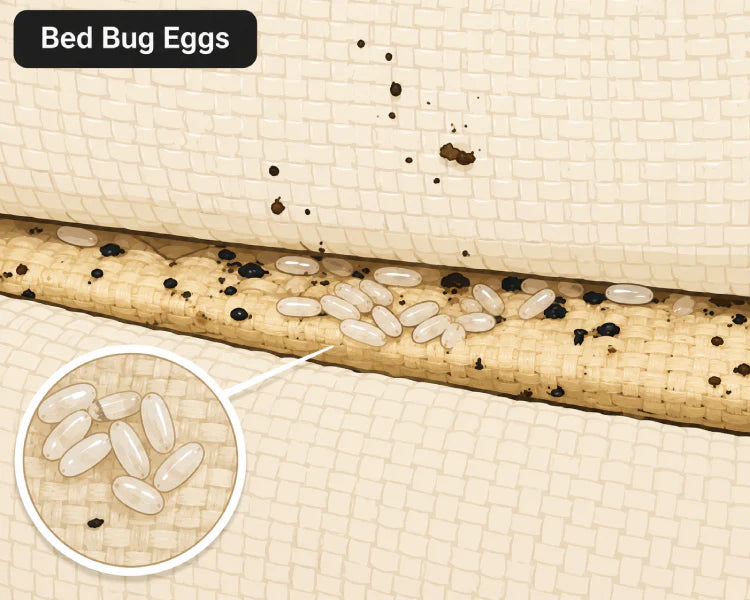
● Inspect for pests — Check seams, edges, and the underside for signs of bed bugs (small brown spots, shed skins, live insects). Inform the removal company if you find any.
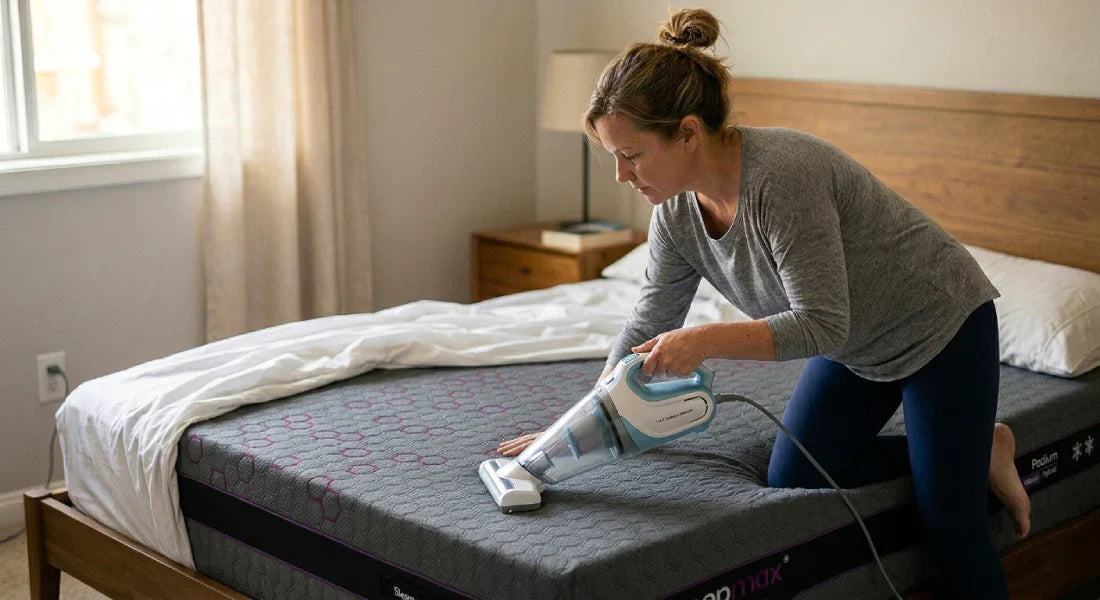
● Clean the mattress surface — If donating, vacuum both sides and spot-treat any stains. A clean mattress is far more likely to be accepted by charities.
● Measure your hallways and doorways — King and California King mattresses can be extremely difficult to maneuver through standard doorways. Measure first, then plan your route.
● Wrap it for transport — Mattress bags cost $5–$15 at home improvement stores. Wrapping protects your floors and walls, and is often required by recycling facilities.
● Confirm the pickup details — Confirm the appointment 24 hours in advance and make sure someone is home or the mattress is accessible.
● Dismantle if self-recycling — If breaking it down yourself, you'll need a utility knife, pliers, and protective gloves. Allow 30–60 minutes.
Special Cases: Bed Bugs, Memory Foam & King Sizes
Mattress with Bed Bug Infestation
A bed-bug-infested mattress cannot be donated under any circumstances, and most recycling facilities won't accept it without prior notification. Enclose the mattress in a sealed plastic disposal bag and clearly label it "BED BUGS." Contact a junk removal service with experience handling infested items, or check whether your municipality allows curbside pickup with sealed containment.
Memory Foam & Latex Mattresses
Memory foam and latex mattresses are handled the same way as innerspring models from a removal standpoint. At the recycling end, foam is shredded into carpet underlay or acoustic insulation. Natural latex is particularly valuable as a recycled material. Seek out a recycler that specifically handles foam — they may offer a reduced fee or small rebate.
Oversized Mattresses (King, Cal King, Split King)
Measure your door frames and stairwells before removal day. King-size mattresses rarely fit through a standard 32-inch doorway without tilting. Some removal companies charge an additional fee for oversized or upper-floor pickups. Split King mattresses (two Twin XL beds side by side) are easier to handle since each half can be managed independently.
Frequently Asked Questions
Can I leave my old mattress on the curb?
In most cities, leaving a mattress on the curb without scheduling a bulk pickup is considered illegal dumping and can result in fines ranging from $50 to several hundred dollars. Always contact your municipality first.
Will the mattress company take my old mattress on delivery?
Many do — but it's not universal. When placing your order, look for a "haul-away" or "old mattress removal" option at checkout. If it's not listed, call customer service directly and ask about availability in your zip code.
How do I get rid of a mattress for free?
The most reliable free options are: (1) state-funded mattress recycling programs in California, Connecticut, or Rhode Island; (2) municipal bulk waste pickup, which is free in many cities; (3) charitable donation if your mattress is in good condition; and (4) listing it online as "free pickup" on platforms like Facebook Marketplace or Nextdoor.
Can a mattress be recycled if it's stained or damaged?
Most recycling facilities accept mattresses regardless of cosmetic condition — stains, tears, and minor damage are fine. The exceptions are mattresses with confirmed bed bug infestations, visible mold, or biohazard contamination. Call your local facility to confirm their acceptance policy before making the trip.
What happens to a recycled mattress?
A recycled mattress is disassembled layer by layer. Steel springs are melted into new metal products. Polyurethane foam is shredded into carpet padding or gym flooring. Cotton and polyester fibers become industrial insulation. Wooden frames go to wood chipping or biomass energy. Very little actually ends up as waste — which is why recycling is always preferred over landfilling.
This article is for informational purposes only. Disposal fees, program availability, and municipal regulations vary by location and are subject to change. Always verify details with local service providers before scheduling removal.

Leave a comment
This site is protected by hCaptcha and the hCaptcha Privacy Policy and Terms of Service apply.