


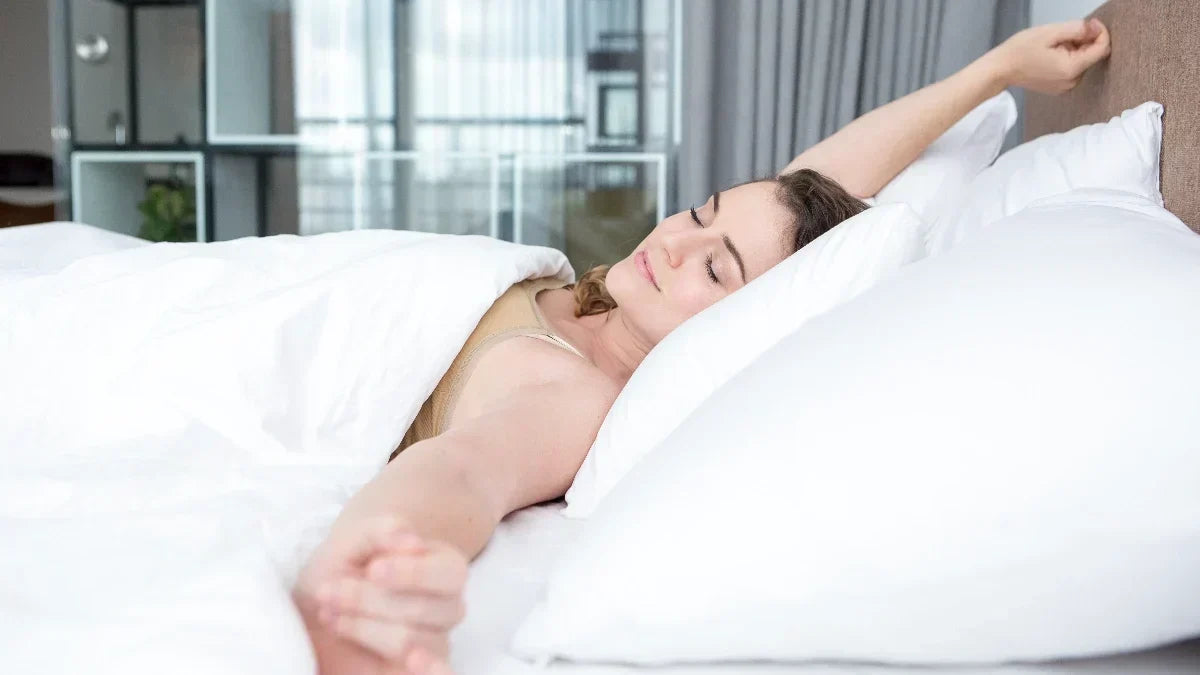
A mattress is not just a place to sleep on, but something important that supports your body and helps you recover overnight. If you frequently wake up with shoulder pain, hip pain, or lower back stiffness, your mattress may not be distributing your body weight properly.
This is where a pressure relief mattress comes in. It is designed to reduce pressure buildup by adapting to the natural curves of your body while keeping your spine in correct alignment. Read the article to learn more about a pressure relief mattress.
- What Is a Pressure Relief Mattress?
- Why Pressure Relief Matters for Better Sleep
- How Does Pressure Relief Work in a Mattress?
- Different Types of Mattresses for Pressure Relief Explained
- How to Choose a Pressure Relief Mattress Based on Sleep Position
- How to Choose a Pressure Relief Mattress?
- Final Words: Choosing the Best Pressure Relief Mattress for You
- FAQ
What Is a Pressure Relief Mattress?
Pressure relief in a mattress refers to its ability to evenly distribute body weight, minimize pressure on shoulders, hips, or lower back.
For example, side sleepers naturally feel more pressure on their shoulders and hips because these parts of the body take a substantial load of body weight when lying on one side. Areas like this could end up bearing too much pressure if you have a mattress that is too firm.

A pressure-relieving mattress conforms to your body's curves but still provides enough support you need to keep your spine well-aligned. It is not designed to get rid of all pressure as some degree of support is required. Rather, the mattress would distribute the pressure over a wider area so that no single body part will be under too much pressure.
Why Pressure Relief Matters for Better Sleep
When your mattress fails to relieve pressure, you may constantly move throughout the night to find a more comfortable position. Even if you do not fully wake up, these small movements can interrupt your sleep cycles and prevent you from reaching deeper stages of restorative sleep.
One of the biggest benefits of a pressure-relieving mattress is reduced discomfort in common problem areas. By cushioning areas such as the shoulders, hips, and lower back, the mattress helps minimize the strain placed on muscles and joints while you asleep.
Proper pressure distribution may also promote better spinal alignment. When the heavier areas of the body sink excessively into the mattress, your spine may twist in an unnatural position while sleeping. This can lead to stiffness and discomfort in the mornings. A good mattress has enough flexion to conform to your body shape while maintaining stable support underneath.
Pressure relief is particularly useful for individuals who sleep on their side, who wake up with sore muscles frequently, or who need to recover extensively after exerting themselves. Your body goes through important recovery processes while you sleep, and a mattress that reduces unnecessary pressure will help you sleep more comfortably all night long.
How Does Pressure Relief Work in a Mattress?
Pressure relief is not simply about having a softer mattress. The best pressure-relieving mattresses combine:
1. Body Contouring
Comfort materials adapt to your body's shape and fill gaps between your body and the mattress surface.
For example:
- Your shoulders need enough cushioning to sink slightly
- Your hips need support without excessive pressure
- Your lower back needs consistent support to maintain alignment
Materials like memory foam and responsive foam layers help create a customized sleep surface.
2. Weight Distribution
Too hard a mattress can press on your shoulders and hips, resulting in pressure points. Conversely, a mattress that is too soft can make your body sink too far, leading to misalignment of the spine.

A good pressure relief mattress disperses your weight over a wider area, rather than focusing force on particular points. In other words, it needs to be soft enough to provide cushioning and supportive enough to prevent sinking.
3. Spinal Alignment
An effective support system of the mattress maintains the spine in a neutral position while providing sufficient cushioning for pressure-sensitive areas. This is especially important if you have back pain or spend long hours in bed.
Different Types of Mattresses for Pressure Relief Explained
Memory Foam: Deep Contouring Pressure Relief

Memory foam is a viscoelastic material that is sensitive to heat and pressure. As you rest on a memory foam mattress, the material gradually softens and adapts to the shape of your body, creating a close contour around areas that carry more weight, such as the shoulders, hips, and lower back.
Advantages:
Memory foam provides excellent contouring and is especially effective at cushioning pressure points around the shoulders and hips. It is also good for motion isolation and is a great option for couples who do not want to be disturbed by a partner's movements during the night.
Potential drawbacks:
Since memory foam responds slowly and allows sleepers to sink deeper into the surface, some people may find it harder to change positions during sleep. Traditional memory foam can also retain heat due to its dense structure, so hot sleepers may prefer models with cooling features such as gel-infused foam, open-cell designs, or breathable covers.
Best for:
Memory foam mattresses are often suitable for side or back sleepers, people who prefer a body-contouring feel, and sleepers who need stronger pressure relief around joints.
Latex: Responsive Pressure Relief

Latex provides pressure relief through a more responsive type of cushioning. Compared with memory foam that slowly conforms around your body, latex has a natural elasticity that gently pushes back while adapting to your curves. Instead of feeling like you are sinking into the mattress, you sleep more "on top" of the surface while still receiving support around pressure-sensitive areas.
Advantages:
Its inherent responsiveness also makes latex easier to move around and change sleeping positions on than slower-responding foam materials. It also has an open-cell structure that allows for better airflow, making latex a cooler material for hot sleepers. High-quality latex is also said to be highly durable and to maintain its shape over time.
Potential drawbacks:
Latex does not contour as closely as memory foam, so it may not offer the same level of pressure relief for sleepers who need deep cushioning around the shoulders and hips.
Best for:
Latex mattresses can be a good choice for combination sleepers, hot sleepers, and people who want pressure relief with easier movement and a more responsive feel.
Hybrid Mattress: Balanced Pressure Relief and Support

A hybrid mattress combines comfort layers, such as memory foam or latex, with a coil support system. This construction enables the mattress to offer the pressure relief from the top layers and the support from the coil at the bottom.
Advantages:
Hybrid mattresses offer a balance between cushioning and support. The foam layers help relieve pressure around the shoulders, hips, and lower back, while the coil system provides better responsiveness and edge support. They're also versatile and can serve a broader range of sleep positions, body shapes and sizes.
Potential drawbacks:
Made with several types of materials, hybrid mattresses tend to be heavier and may be more expensive than traditional mattresses. The pressure relief effect can also be quite different depending on the thickness, type, and quality of the comfort layers.
Best for:
Hybrid mattresses can be beneficial for sleepers who are looking for a mix of pressure relief, support, and cooling. They have a particular appeal to combination sleepers, couples, and those who find memory foam too restrictive.
How to Choose a Pressure Relief Mattress?
Consider Your Sleep Position
Your sleeping position determines where pressure builds up and what type of support your body needs. Side sleepers usually need more cushioning around the shoulders and hips, while back and stomach sleepers often require stronger support to maintain proper spinal alignment. Combination sleepers should look for a mattress that offers both pressure relief and responsiveness for easier movement.
Choose the Right Firmness
Firmness plays an important role in pressure relief. For most sleepers, a medium firm mattress provides a good balance of contouring comfort and support. However, lighter sleepers may prefer a softer feel, while heavier sleepers often need a firmer mattress to prevent excessive sinking.
Pay Attention to Comfort Layers
The comfort layers are the part of the mattress that directly interacts with your body and determines how well it cushions pressure points. Side sleepers or people with joint discomfort may benefit from thicker comfort layers that provide deeper contouring, while sleepers who prefer easier movement may prefer more responsive materials.
Look for Proper Support and Spinal Alignment
Support features such as zoned support systems, reinforced coils, or a stable support core can help prevent areas like the hips and lower back from sinking too far.
Consider Temperature Regulation
Some pressure-relieving materials, especially traditional memory foam, can retain heat because of their dense structure. If you tend to sleep hot, consider mattresses with cooling features such as breathable covers, gel-infused foams, open-cell materials, or coil systems that improve airflow.
Think About Motion Isolation and Edge Support
For couples, pressure relief is only part of the equation. A mattress should also minimize motion transfer and provide stable support across the entire surface. Memory foam typically offers excellent motion isolation, while hybrid mattresses with pocket coils can provide a balance of motion control, responsiveness, and edge support.
Final Words: Choose the Best Pressure Relief Mattress for You
Choosing the pressure relief mattress isn't as simple as opting for the softest model. The best mattress will be one that provides enough comfort and support to prevent excessive pressure on the body's key areas while maintaining the spine's neutral position.
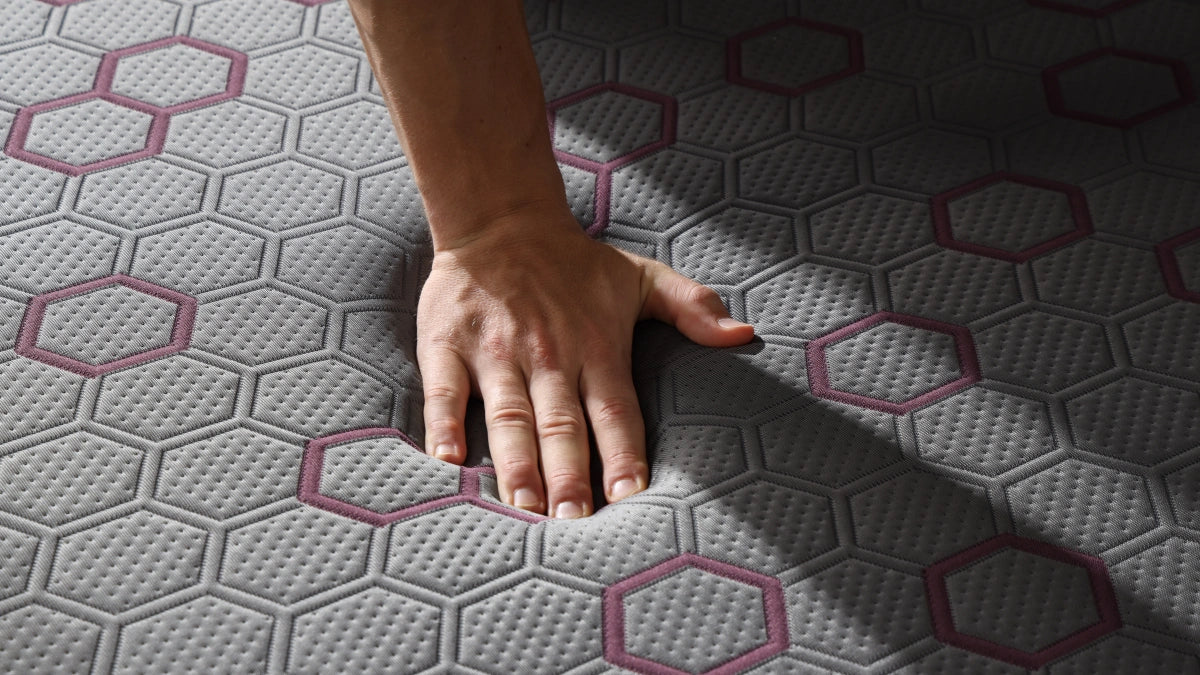
For sleepers looking for targeted pressure relief, the Sleepmax pressure relief mattress OmniFit is designed with a multi-layer support system that combines contouring comfort with stable support. Its Fusion™ pressure relief memory foam contours to the body's curves, and the cooling gel extra support foam and honeycomb-insired pocket coil system combine to deliver all-night balanced support and help alleviate pressure. Explore more details of the Sleepmax pressure relief mattress Omnifit today!
FAQ
Are hybrid mattresses good for pressure relief?
Yes. Hybrid mattresses can provide excellent pressure relief by combining foam comfort layers with balanced coil support. They cushion pressure points while helping maintain proper spinal alignment.
What firmness is best for pressure relief?
Most sleepers benefit from a medium to medium-firm mattress because it provides a balance between cushioning and support. Side sleepers often prefer softer mattresses, while stomach sleepers usually need firmer support.
Can a mattress cause pressure points?
Yes. A mattress that is too firm may create pressure buildup, while one that is too soft may fail to support your body properly. The right mattress should balance pressure relief and support.

Leave a comment
This site is protected by hCaptcha and the hCaptcha Privacy Policy and Terms of Service apply.