


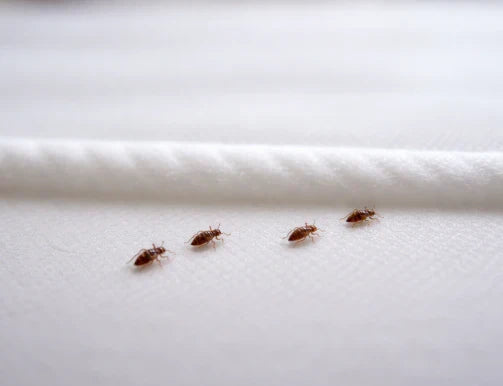
When you enter deep sleep, you suddenly feel an intense itch. You quickly sit up to investigate and discover numerous small, red, swollen bumps on exposed skin, like your arms or legs, as if bitten by some insect. This could be caused by bed bugs. Once these pests invade, they become nocturnal bloodsuckers, negatively impacting sleep and mental well-being in many households. Here we'll discuss how to effectively locate and eliminate common bed bugs, along with preventive measures for everyday protection.
Understanding Bed Bugs
1. What are bed bugs?
Bed bugs are highly prolific blood-sucking insects. Their eggs appear as small, white or pale yellow oval pellets measuring about 1 millimeter. After hatching, the nymphs are translucent. From nymph to adult, they undergo five molts, with their body color darkening progressively. Adult bed bugs are reddish-brown, approximately 3-5 millimeters long, flattened, and wingless. They thrive in warm, humid environments, often hiding in mattresses, furniture, or wall crevices. Since they are most active at night in dark, concealed locations, they are difficult to detect. Bites typically cause red, swollen bumps on the skin accompanied by intense itching. Prolonged infestations can lead to sleep disturbances and adversely affect both physical and mental well-being.
2. Where do bed bugs come from?
When you notice signs of bed bugs, recall whether you've traveled or stayed overnight without properly isolating your clothing. Failure to clean luggage after hotel stays or public transportation use may introduce bed bugs into your home. Additionally, if you recently purchased secondhand furniture, these pests might be hiding in crevices that weren't thoroughly cleaned. Generally, areas with poor sanitation or high population density are more prone to bed bug infestations, though clean environments aren't immune.

How to Detect a Bed Bug Infestation?
1. Look for Signs of Activity
First, carefully inspect luggage, furniture crevices, or mattresses for reddish-brown live bugs or dark spots (likely bed bug droppings). Next, check bedding or walls for bloodstains. If these signs are present, it strongly indicates bed bugs have multiplied and are spreading.
2. Inspect Bite Marks and Symptoms
Bed bugs typically bite exposed skin areas like arms, face, or neck. After being bitten, examine whether the resulting red bumps appear in linear rows or clustered patterns. However, some insects produce similar bite marks, so professional inspection is recommended for confirmation. Additionally, bites cause intense itching (especially at night), and the affected areas may develop bruising. In rare cases, individuals with allergies may develop clear fluid-filled blisters.
How to Address Bed Bugs?
1. Isolate Contaminated Items
Bed bugs reproduce rapidly and spread quickly once they find a suitable environment. Upon initial signs of infestation, immediately isolate contaminated items like clothing and bedding. Place them in a thick, sealed bag to prevent further spread.
2. Vacuum Thoroughly
Use a powerful vacuum to clean crevices and seams in furniture like mattresses and sofas, as well as hidden areas like under carpets. Note: After each cleaning, immediately seal the vacuum bag and dispose of it in an outdoor trash bin to prevent bed bugs from escaping.
3. Seal Cracks and Crevices
To prevent bed bugs from re-hiding in these areas, use caulk to seal cracks and crevices after vacuuming, especially around the edges of mattresses and bed frames.
4. Steam Cleaning
If you have a steam cleaner, use it to thoroughly clean mattresses and sofas for enhanced disinfection and pest elimination.
5. High-Temperature Washing
Wash items like clothing in water above 60°C (140°F), then tumble dry on high heat for 30 minutes. For heat-sensitive items like plush toys, seal them in a bag and freeze at -17°C (-58°F) or colder for over 2 hours to kill bed bugs.
6. Severe Bed Bug Infestations
Use specialized bed bug insecticides. Wear protective gear and spray into cracks and crevices according to the instructions. Seal the area and ventilate for several hours afterward. Alternatively, hire a professional pest control company for treatment.
7. Post-Bite Treatment
Avoid scratching bed bug bites to prevent infection. Clean the affected area with soapy water and apply an antihistamine cream to relieve itching.
How to Prevent Bed Bugs?
1. Establish Good Daily Habits
Wash hands frequently and maintain personal hygiene. Separate outdoor clothing from clean garments. Thoroughly inspect luggage after travel. Regularly wash bedding, sofas, and mattresses to reduce clutter. Keep indoor spaces dry and well-ventilated to prevent bed bug breeding in damp environments.
2. Prioritize Protection
Use bed bug-proof mattress covers. When staying in hotels, store luggage separately and inspect the bedding.
Bed bug infestations inevitably disrupt our daily lives and sleep, sometimes causing psychological distress. But rest assured—through scientific prevention, prompt detection, and decisive action, we can eliminate them and restore a comfortable sleeping environment.
If you've ever dealt with bed bugs, feel free to share your experiences in the comments section.

Leave a comment
This site is protected by hCaptcha and the hCaptcha Privacy Policy and Terms of Service apply.