


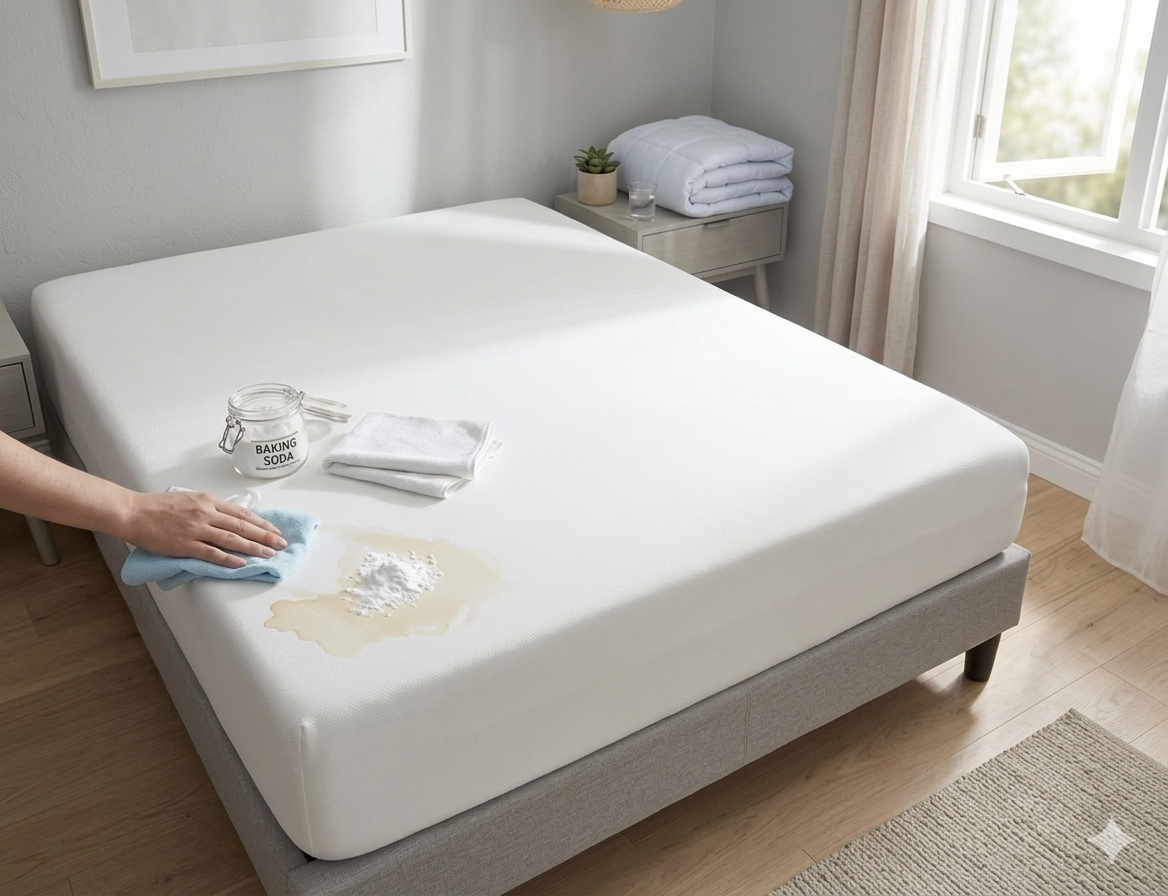
Why Mattress Stains Matter More Than You Think
Let's be honest—a stain on your mattress is frustrating. But here's what most people don't realize: today's mattresses aren't just foam and springs. They're engineered products with memory foams that respond to body heat, gel layers designed to cool you down, and even smart sensors tracking your sleep. A stain isn't just unsightly; it can damage these materials and shorten life of something that probably cost you anywhere from $800 to $2,000.
The mattress industry has changed dramatically. In 2026, we're looking at a nearly $50 billion global market where 68% of buyers now care more about sleep quality than the lowest price tag. People are investing in mattresses as health tools, not just furniture. Protecting that investment means understanding what's actually inside your bed.
What's Really Living in Your Mattress
Here's something that might keep you up tonight: the average mattress houses between 100,000 and 10 million dust mites. Ohio State University researchers found these microscopic creatures thriving on the dead skin you shed—about 1.5 grams every night. That's enough food to keep about a million mites happy.
The real problem? These mites love warm, humid conditions—exactly what happens when sweat and body fluids soak into your mattress. When stains from urine, sweat, or accidents penetrate the layers, they create perfect breeding grounds. Studies show that 60-80% of allergy problems—asthma, eczema, chronic congestion—come from dust mites.
Over an 8-year lifespan, your mattress can accumulate up to 10 pounds of dead skin, sweat, and mite waste. That's not just gross; it's actively affecting your health while you sleep.
Your Mattress Material: Why Cleaning Methods Actually Matter
Different mattresses need different care. Here's what you need to know:
Memory foam makes up about 35-40% of the market. It's designed to mold to your body, but those same properties make it vulnerable to liquid. Excess moisture doesn't just sit on the surface—it seeps into the foam's cell structure and can break it down over time.
Latex mattresses hold about 18% market share. They're naturally antimicrobial and last longer (8-10 years typically), but they can react badly to harsh chemicals.
Hybrid mattresses (springs plus foam) are gaining ground. The foam layers need gentle treatment, while the spring system can handle more aggressive cleaning—but you still have to be careful about moisture getting into the springs.
The newest materials—graphene-infused foams for cooling, EPP support layers for breathability—are even more specialized. These engineered components can have their performance ruined by the wrong cleaning approach.
Common Stains and What's Actually Happening
Yellow stains from sweat and body oils aren't just discoloration. The proteins and lipids in your sweat actually oxidize when exposed to air. On memory foam, this can penetrate the surface layer and degrade the foam structure at the cellular level. The acids in sweat are particularly damaging—they gradually break down the chemical bonds in polyurethane, leading to those body impressions that make your mattress feel uneven.
Urine stains bring a different problem: uric acid. This stuff doesn't just stain—it chemically reacts with foam polymers. In gel-infused memory foams (which account for about 40% of memory foam sales now), that reaction can damage the cooling gel beads, reducing their ability to regulate temperature. Plus, the moisture creates those perfect conditions for dust mites.
Blood stains are protein-based, and that's crucial. Proteins change their molecular structure when heated—that's called denaturation. It's like cooking an egg; once it's done, you can't undo it. That's why hot water permanently sets blood stains into fabric or foam. This is also why cold water is absolutely non-negotiable for blood.
Beverage stains (coffee, tea, wine) contain tannins—natural compounds that act like powerful dyes. They bond strongly to mattress materials, especially the stretch covers that come on modern comfort-focused mattresses.
Setting Yourself Up for Success
Before you start cleaning, there are a few things that can save you from making things worse.
First, check your mattress's care instructions. Seriously, take two minutes to read them. Many manufacturers specifically prohibit certain cleaners or excessive moisture, especially for lower-density foams that are more vulnerable to damage.
Next, vacuum thoroughly. This isn't just about removing visible dirt—it's about getting out the particles that create friction and wear on your mattress materials. Pay extra attention to seams and edges, where dust and debris accumulate. Research shows that regular monthly vacuuming can reduce allergens by 70-80% compared to mattresses cleaned less often.
Your cleaning toolkit should include:
White vinegar: Great for general cleaning and breaking down organic stains
Enzyme cleaners: Essential for protein-based stains like urine, vomit, and sweat—they actually digest the organic matter at the molecular level
Baking soda: The go-to for odor absorption and moisture control
Hydrogen peroxide (3%): Use sparingly on stubborn stains—it works but can damage foam if overused
Cold water: Your best friend for protein stains
Clean white cloths: Multiple ones—you'll need fresh ones as you blot
One more thing: ventilation. Good airflow during cleaning isn't just about comfort. Modern mattresses, especially those with gel or phase-change cooling materials, can release small amounts of VOCs (volatile organic compounds) when they're new. Adding cleaning agents and moisture can temporarily increase this. Good airflow—ideally with temperatures around 65-72°F and humidity below 60%—ensures everything dries properly and prevents the moisture that dust mites love.
How to Actually Remove Different Stains
Yellow Sweat and Oil Stains
The challenge here is twofold: surface discoloration and potential damage to the foam structure itself.
Start by lightly misting the stained area with a 1:1 vinegar solution. The acid helps break down oxidized compounds. On memory foam, be careful not to saturate—the vinegar can get into the open-cell structure and, in extreme cases, affect the foam's density. Let it work for 5-10 minutes before blotting.
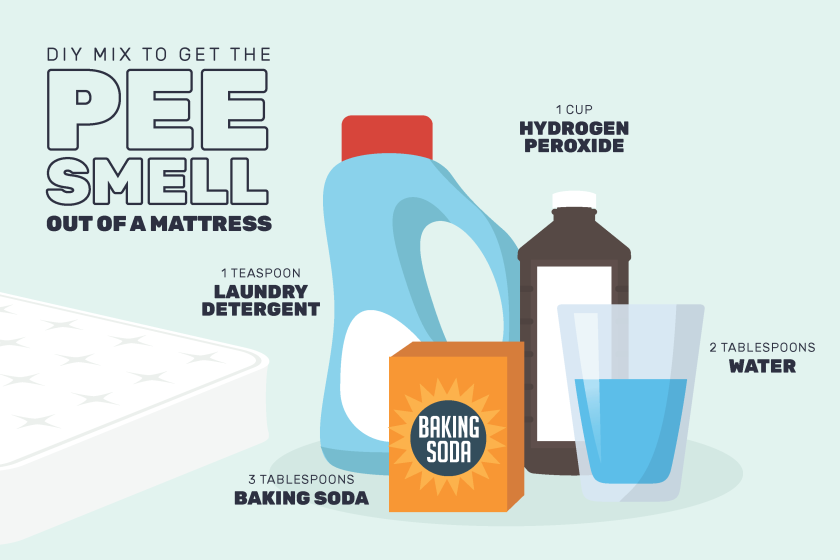
For stubborn yellow stains, try a paste: mix 1/2 cup baking soda with 1-2 tablespoons of 3% hydrogen peroxide and a few drops of mild dish soap. The peroxide works as an oxidizing agent, breaking the chemical bonds in the oxidized proteins. Apply a thin layer and let it dry completely—this takes several hours. As it dries, the paste forms a crust that physically lifts the stain from the material. Once it's completely dry, scrape off the crust and vacuum thoroughly.
Material-specific notes:
Memory foam: Go easy on the peroxide—it can break down polyurethane bonds over time
Latex: Test a small area first; peroxide can affect rubber compounds
Gel-infused foams: Make sure it dries completely to avoid damaging the cooling gel
Urine Stains
Fresh urine needs immediate action. Blot firmly with a dry towel or cloth to extract as much liquid as possible before it penetrates deeper. The goal is to stop the uric acid from reaching the foam's cell structure.
Spray the vinegar solution over the affected area. The acetic acid in vinegar neutralizes the uric acid, preventing it from degrading foam polymers. Blot thoroughly, working from the outside in to prevent spreading.
For old urine stains or situations where the liquid has penetrated deeply, enzyme cleaners are your best option. They contain specialized proteins that break down organic matter at the molecular level. Follow the product instructions—most need 15-30 minutes to work. Enzyme cleaners are safe for all foam types because they don't rely on harsh chemicals.
After cleaning and blotting, sprinkle baking soda generously over the area. This absorbs residual moisture, neutralizes odors, and creates an environment where mites struggle to reproduce. Leave it for several hours or overnight before vacuuming.
Blood Stains
Here's the most important rule: cold water only. No exceptions. Heat causes protein denaturation, which permanently embeds the stain into the material's porous structure. You cannot "fix" blood that's been set with hot water.
Dampen a clean cloth with cold water and blot from the outer edge toward the center. This outside-to-inward approach prevents spreading. Speed matters—fresh blood stains are much easier to remove than those that have oxidized and set.
For stubborn blood stains, apply 3% hydrogen peroxide directly to the stain. You'll see bubbling—that's the peroxide oxidizing the proteins and breaking them down. Let it work for 1-2 minutes, then blot immediately. Repeat if needed, but use peroxide sparingly.
"Rinse" the area by blotting with a cloth dampened only with cold water, then press firmly with a dry towel to remove all moisture. This is crucial—any leftover peroxide can damage foam polymers if it sits too long.
Coffee, Tea, and Wine Stains
Blot immediately with a dry cloth to absorb as much liquid as possible. Time matters—tannins can set within minutes, especially on porous materials like foam mattresses.
Spray the 1:1 vinegar solution and blot gently. The acidity helps break the bonds between tannins and materials. Work from the outside in, and be patient—stubborn stains may need 3-5 applications.
For particularly stubborn red wine stains, try a salt paste (mix salt with minimal cold water until thick). Apply it to the stain, let it sit for 30 minutes, brush it off, then blot clean. The salt acts as an absorbent and can help extract the pigments.
Vomit Stains
Vomit is particularly challenging because it contains multiple contaminants: stomach acid, partially digested food, and bacteria. You need both cleaning and disinfecting.
Put on gloves and use a plastic scraper or paper plate to remove any solid material first. This prevents spreading and reduces the organic load you're dealing with.
Sprinkle baking soda generously over the area and let it sit for 20 minutes. This absorbs moisture and begins neutralizing odors. Vacuum thoroughly before moving on.
Spray with an enzyme cleaner or vinegar solution. Both work, but enzyme cleaners are superior for breaking down the complex organic compounds in vomit. Follow with a clean, damp cloth blot to "rinse," then press firmly with a dry towel.
Let it air dry completely. For mattresses, this can take 12-24 hours depending on conditions. Pointing a fan at the area helps and prevents moisture from penetrating deeper into the mattress layers.
Prevention That Actually Works
The smartest approach to mattress stains is preventing them in the first place. Modern mattress technology has evolved, and so have protection options.
High-quality mattress protectors have come a long way. Today's options include:
Full encasements: Six-sided protection that guards against allergens, dust mites, and bed bugs—not just spills
Cooling fabrics: Many now feature phase-change materials or cooling gel that complement your mattress's cooling features
Antimicrobial treatments: Silver-infused or copper-based fabrics that inhibit bacterial growth and reduce odors
Breathable waterproofing: TPU backings that provide waterproofing without the plastic feel of older protectors
A quality protector costs $60-150 compared to $1,000+ for a new mattress. That's an easy calculation.
How Often to Rotate Your Mattress
Different materials need different rotation schedules:
Special Considerations for Smart Mattresses
With 34% of 2023-2024 mattresses incorporating sleep tracking technology, cleaning gets a bit trickier. Embedded sensors are water-sensitive.
When cleaning smart mattresses:
1. Never saturate areas near sensor locations (typically in the center third of the mattress.
2. Disconnect sensors before applying any cleaning solutions
3. Allow extra drying time—moisture can interfere with sensor accuracy
4. Always check the manufacturer's guidelines for sensor-protected areas
A Realistic Maintenance Schedule
Based on what actually works, here's a practical routine:

Leave a comment
This site is protected by hCaptcha and the hCaptcha Privacy Policy and Terms of Service apply.