


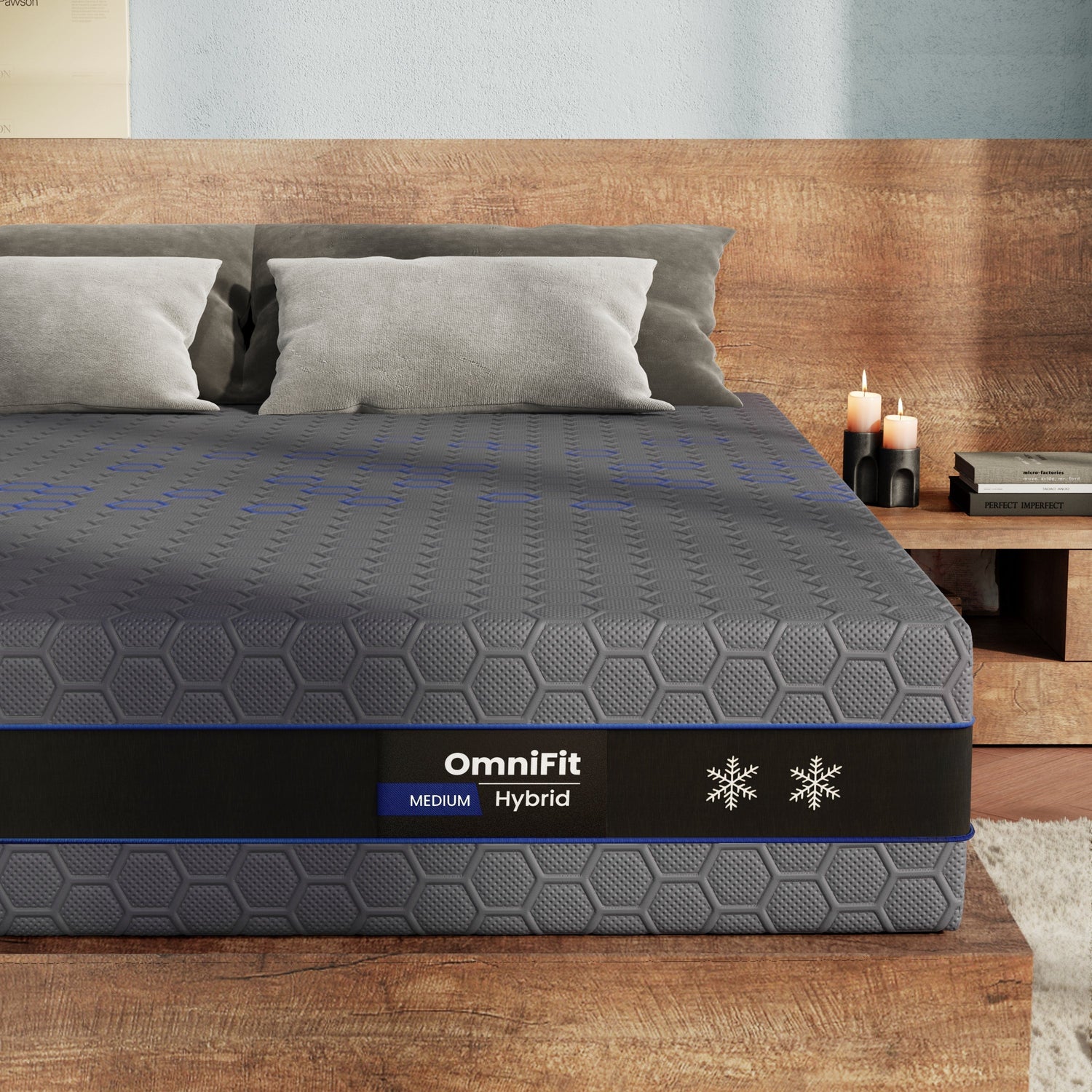
If you’re researching mattresses in 2025, you’ve probably run into the term “hybrid mattress” repeatedly. But what does “hybrid” really mean in a mattress—and why is it one of the most searched mattress terms today?
A hybrid mattress combines two elements:
1) a coil support core, and
2) multiple layers of foam or latex for comfort.

It’s designed to deliver the responsive support of springs with the pressure-relieving comfort of foam—essentially, the best of both worlds.
This guide breaks down how hybrid mattresses are built, how they compare to memory foam and innerspring beds, how long they last, whether you need a box spring, and how to know if a hybrid is right for you.
HOW A HYBRID MATTRESS IS BUILT: A LAYER-BY-LAYER LOOK

A true hybrid mattress includes several distinct layers, each serving a specific purpose.
THE COMFORT SYSTEM: CUSHIONING AND PRESSURE RELIEF

The top section is usually 2–4 inches thick and provides your first impression when you lie down. Its job is to reduce pressure on your shoulders, hips, and joints.
Common materials include:
· Memory Foam: This is a type of foam that adjusts to your body shape. It gives you a feeling of being "hugged."
· Latex Foam: Unlike memory foam, latex is more bouncy. With it, you feel "on" the mattress, not "in" it. Its longevity is commendable, and it stays cool.
· Gel-Infused/Copper-Infused Foam: These are special types of foams with small beads of gel or copper mixed in. These help to draw the heat away from the body. Thus, they contribute to a cooler sleep.
A true hybrid typically has at least 3 inches of comfort material—anything thinner feels more like a traditional innerspring.
THE SUPPORT CORE: INDIVIDUALLY POCKETED COILS

Beneath the comfort system lies the support core, which defines a hybrid mattress. Most high-quality hybrids use individually wrapped coils that:
- Reduce motion transfer
- Respond independently for better contouring
- Increase breathability
- Improve durability
This is one reason hybrids often last 7–10 years—longer than basic innerspring beds.
THE TRANSITION LAYER: Optional But Important
Some hybrids include a firmer foam layer between coils and comfort foams to prevent sinking too deeply. This improves overall balance and stability.
HYBRID VS. MEMORY FOAM VS. INNERSPRING
Here’s how hybrid mattresses compare to other popular mattress types:
|
Feature |
Hybrid Mattress |
Memory Foam Mattress |
Innerspring Mattress |
|
Feel |
Balanced bounce and contouring hug |
Deep sink and body-hugging feel |
Bouncy and often firm |
|
Pressure Relief |
Excellent |
Good to Excellent |
Fair to Good |
|
Temperature |
Good to Excellent (good airflow) |
Fair to Good (can trap heat) |
Excellent (best airflow) |
|
Motion Isolation |
Excellent |
Poor |
Poor |
|
Durability |
Good to Excellent (7-10 years) |
Good (6-8 years) |
Fair to Good (5-7 years) |
|
Price Range |
Mid to High ($1,000 - $2,500+) |
Low to High ($600 - $2,000+) |
Low to Mid ($400 - $1,200) |
What the Table Tells Us
The takeaway is simple: the meaning of a hybrid mattress comes down to balance. A hybrid is designed to bridge the gap between the two most common mattress types by minimizing their weaknesses and amplifying their strengths.
Compared with traditional spring mattresses, hybrids generally offer better pressure relief and contouring, thanks to their thicker comfort layers. And unlike many all-foam beds, hybrids tend to sleep cooler and feel more responsive, making it easier to move, change positions, or get out of bed.
In other words, a hybrid mattress sits squarely in the middle—combining the cushioning of foam with the structure and airflow of coils to create a feel that works for a wide range of sleepers.
Who Is a Hybrid Mattress Best For? A Practical Sleeper-Profile Guide

Hybrid mattresses are popular because they work well for many people, but certain sleepers benefit from them even more. Here's a clear look at who a hybrid mattress tends to suit best—and why.
Side Sleepers
Side sleepers put the most pressure on their shoulders and hips, so they need a mattress that can cushion these areas without sacrificing support. A well-built hybrid's thicker comfort layers help distribute weight more evenly, relieving tension on joints. The coil system underneath maintains spinal alignment, reducing the chance of waking up with shoulder, hip, or lower-back discomfort.
Back Sleepers
Back sleepers typically need a balanced feel—enough contouring to fill the space beneath the lower back, but enough structure to keep the spine level. Hybrid mattresses excel at this. The coils provide targeted lumbar support, while the foam layers offer gentle cushioning for the upper back and shoulders, helping maintain a neutral posture throughout the night.
Stomach Sleepers
Stomach sleepers should be especially mindful of mattress firmness. A bed that is too soft can let the hips sink too far, creating an unhealthy curve in the lower spine. A firmer hybrid is usually the safest option, as the coil system keeps the hips lifted and aligned with the shoulders, helping prevent morning back pain.
Combination Sleepers
If you switch positions frequently while you sleep, a hybrid is one of the most forgiving options. The coil system adds natural responsiveness, making it easy to turn, adjust, or shift positions without feeling stuck in the foam. This blend of bounce and contouring works particularly well for people who don't fit neatly into one sleeping style.
Hot Sleeper
If you tend to overheat at night, a hybrid mattress can be a meaningful upgrade. The coil support core creates space for continuous airflow, helping dissipate excess heat and moisture more effectively than dense all-foam beds. This makes hybrids a strong option for people who sleep warm or live in hotter climates.
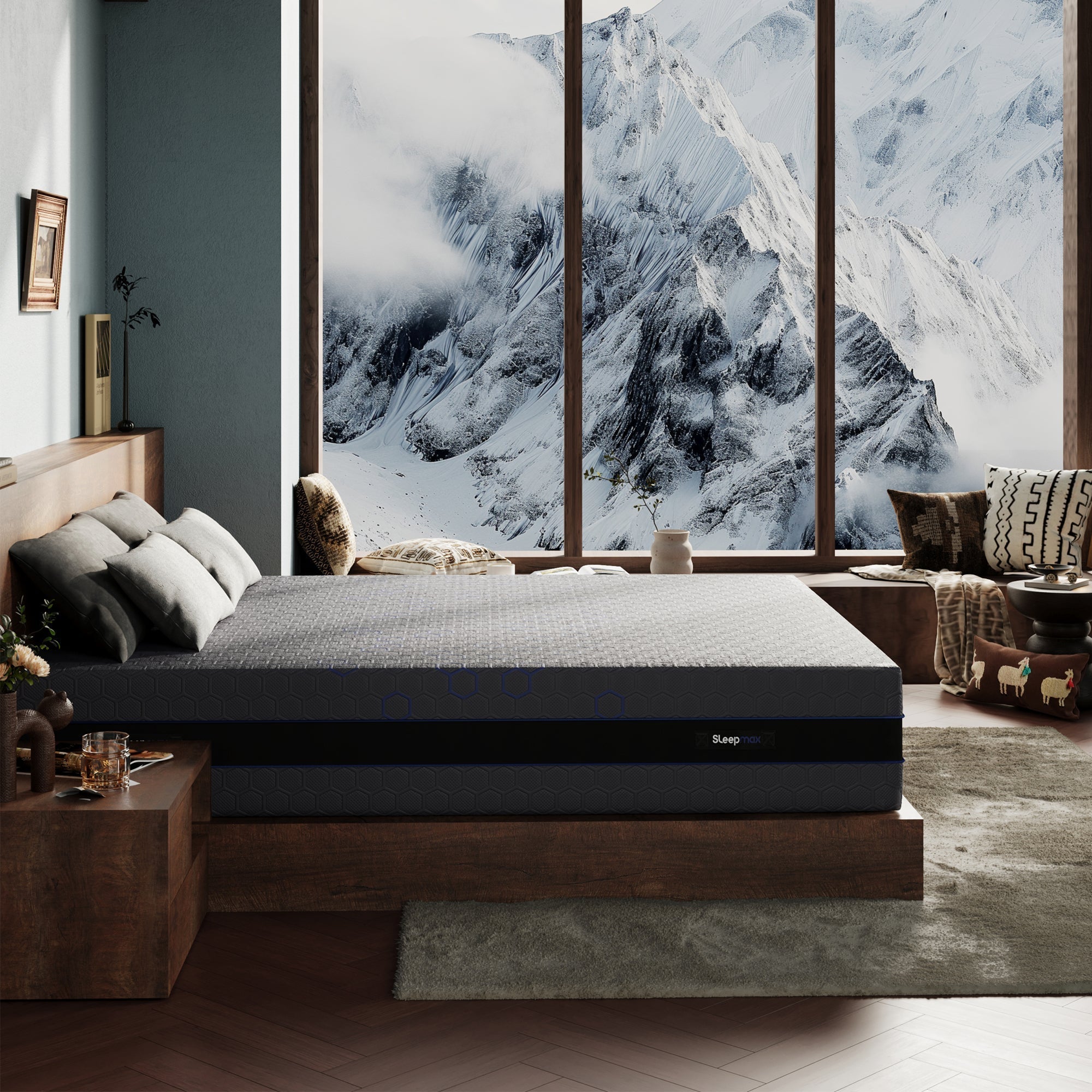
For example, Sleepmax OmniFit™ | Queen Hybrid Mattress: OmniFit Hive™ Coils Fusion™ Cooling – Sleepmax Mattress are built with special cooling foam and breathable coils for even better temperature control.
The Hybrid Spectrum: Not All Hybrids Are Created Equal

Hybrid mattresses may fall under the same category, but they can feel entirely different depending on how they’re built. Variations in foam type, coil design, and top-layer construction mean that two mattresses labeled “hybrid” can deliver completely different sleep experiences. Understanding these distinctions helps you identify which hybrid truly fits your comfort needs.
The Foam Factor: Memory Foam vs. Latex Hybrids
The foam used in the comfort layer shapes much of a hybrid’s overall feel:
• Memory Foam Hybrids
Memory foam hybrids offer the familiar slow-response, deep-contouring sensation that many sleepers describe as a “hug.” They excel at pressure relief and are ideal for people who enjoy sinking into their mattress for a more enveloping feel.
• Latex Hybrids
Latex hybrids feel more buoyant and responsive. Instead of sinking deeply, you stay more “on top” of the mattress. Latex adapts quickly to movement, making these hybrids a strong choice for sleepers who want pressure relief without the pronounced body hug—or for those who tend to shift positions frequently.
The Coil Component: Why Pocketed Coils Matter

As mentioned earlier, coil design plays a major role in how a hybrid performs. Traditional spring mattresses often use connected coils, where all springs move as a single unit. This construction transfers motion easily—press on one area, and the surrounding coils react with it.
Pocketed coils solve this issue by wrapping each coil in a separate fabric pocket. Each spring moves independently, which results in:
-
Better motion isolation
-
More precise support
-
Improved contouring
-
Enhanced durability
This makes pocketed coils the preferred foundation for most modern hybrids, especially for couples who want to minimize nighttime disturbances.
Decoding Marketing Terms: Pillow Tops vs. Euro Tops
During your research, you may encounter hybrid mattresses advertised with a pillow top or Euro top. These terms refer to additional cushioning layers sewn onto the top surface to enhance initial softness.
• Pillow Top
Looks like a distinct, plush layer placed on top of the mattress—visually fluffy and cloud-like.
• Euro Top
Integrated into the mattress and stitched flush with the edges for a cleaner, more streamlined appearance. Euro tops often use slightly denser materials and tend to be more durable over time.
While these add-on layers contribute to surface comfort, the defining characteristic of a hybrid mattress remains its multi-layered construction—the combination of a supportive coil core and pressure-relieving comfort foams. Pillow tops and Euro tops simply offer brands another way to fine-tune the overall feel.
Both add softness. However, a Euro top is often made with slightly denser materials and can be more durable. The multi-layered construction defines a hybrid. These top layers are just one more way brands create a unique feel.
A Smart Buyer’s Checklist for Hybrid Mattresses
Now that you have a clear understanding of what a hybrid mattress is, you’re ready to evaluate which models are truly worth considering. Use this expert-approved checklist to make sure you’re choosing a hybrid mattress that will stay comfortable and supportive for years.
Key Specifications to Check
• Firmness Level
Firmness is typically described on a 1–10 scale.
-
Side sleepers: medium-soft to medium (4–6)
-
Back and stomach sleepers: medium-firm to firm (6–8)
Choosing the right firmness helps maintain healthy spinal alignment and prevents pressure-point discomfort.
• Comfort Layer Thickness Type
Look for at least 2–3 inches of high-quality foam in the comfort system.
-
Memory foam → deeper contouring and pressure relief
-
Latex foam → more bounce and a lifted feel
Your preference for “hug” vs. responsiveness should guide your choice.
• Coil Gauge & Count
Coil gauge refers to the thickness of the steel:
-
Lower gauge (12–14) = thicker, firmer, more durable coils
-
Higher coil counts usually mean more precise support and improved contouring
A well-built queen-size hybrid often includes 800–1,200+ pocketed coils.
• Foam Density
Memory foam density is measured in pounds per cubic foot (PCF).
Foams with 3.0 PCF or higher generally offer better durability and long-term performance.
The Fine Print That Matters
• Sleep Trial
You can’t judge a mattress from a showroom. Look for a 100-night or longer sleep trial so you can test the bed at home under real conditions.
• Warranty
A warranty protects you against defects such as premature sagging.
-
10 years is standard
-
Lifetime warranties indicate higher manufacturer confidence
• Certifications
Look for reputable safety certifications such as:
-
CertiPUR-US® for foam quality and emissions
-
OEKO-TEX® for textiles and fabric safety
These ensure the materials meet strict health and environmental standards.
• Brand Reputation
Reliable brands are transparent about their materials, trial periods, and customer policies. For example, reviewing trial and warranty details on a company’s website—such as Sleepmax—can give you a clear sense of their commitment to long-term customer satisfaction.
The Final Verdict: Is a Hybrid the Right Choice for You?

A hybrid mattress blends the responsive support of coils with the contouring comfort of foam, offering a balanced feel that suits a wide range of sleepers. If traditional innerspring beds feel too firm or all-foam mattresses feel too soft or warm, a hybrid can deliver the best of both worlds.
Hybrids are especially well-suited for:
-
Couples
-
Hot sleepers
-
Combination sleepers
-
People who want both pressure relief and strong support
With this knowledge, you can now shop confidently and choose a hybrid mattress that fits your needs and helps you enjoy years of comfortable, restful sleep.
FAQs About Hybrid Mattresses
Do hybrid mattresses need a box spring?
No. Modern hybrids work best on platform bases, slatted frames (with slats under 3 inches apart), or adjustable bases.
How long do hybrid mattresses last?
A high-quality hybrid typically lasts 7–10 years, thanks to durable foams and individually pocketed coils.
Are hybrid mattresses good for back pain?
Yes. Hybrids often excel for back pain because coils help maintain spinal alignment while foam layers relieve pressure. Choosing the right firmness for your sleep style is essential.
Can you flip a hybrid mattress?
Generally not. Hybrids are designed with a specific top-to-bottom construction. However, rotating the mattress every 3–6 months helps maintain even wear.
Do hybrid mattresses sleep hot?
Compared to many all-foam mattresses, hybrids generally sleep cooler. The open coil structure promotes airflow and reduces heat buildup—an advantage for warm sleepers.


Leave a comment
This site is protected by hCaptcha and the hCaptcha Privacy Policy and Terms of Service apply.