


You just bought a new hybrid mattress. It's a perfect mix of comfort and support. Now you have a common question: what do you put it on? Many people wonder, "Do I need a box spring with a hybrid mattress?" The answer has changed as mattress technology has improved.

This guide will give you the expert answer. We'll explain why old rules don't work anymore. We'll show you the best way to support your new bed. Protecting your investment means getting years of great sleep.
Key Takeaways
- No Box Spring Needed: Modern hybrid mattresses do not need a traditional box spring. Using one can cause damage.
- Solid Support is Key: Hybrids need a firm, flat, and sturdy base. Good options include platform beds, modern foundations, or slatted bases.
- Mind the Slats: If you use a slatted base, the slats should be no more than 3 inches apart. This provides proper support.
- Check Your Warranty: Using the wrong base, like an old box spring, can void your mattress warranty. Always read the fine print.
- Inspect Your Old Base: You might be able to use your current bed frame. It must be a foundation (not a box spring) and be in excellent condition.
The Short Answer: Probably Not. Here's the Bottom Line.
Let's get straight to the point. The answer to "do i need a box spring with a hybrid mattress" is almost always no. In fact, we strongly advise against it.
Modern hybrid mattresses are designed differently than old mattresses. Using an old-school box spring can actually harm your new mattress. It can ruin your sleep experience. Here is a quick summary of what you need to know.
- Direct Answer: No, modern hybrid mattresses do not need a traditional box spring. Using one can be harmful to the mattress.
- What You Need Instead: A solid, supportive foundation is vital. This can be a platform bed, a modern mattress foundation, a slatted base with narrow gaps, or an adjustable frame.
- The "Why": Hybrid mattresses already have a support system of coils. A box spring has its own springs. This creates a bouncy, unstable surface that leads to sagging.
- Warranty Warning: Most mattress companies will void your warranty if you use an improper foundation. A traditional box spring is almost always considered improper for a hybrid.
Understanding the Mismatch: Why Old Box Springs and New Hybrids Don't Mix
To understand why a box spring isn't right for your hybrid, we need to look at how each one is built. It's like putting high-performance tires on a wobbly axle. The parts just don't work together. The key question is not just if you need a box spring with a hybrid mattress, but why it's a bad combination.
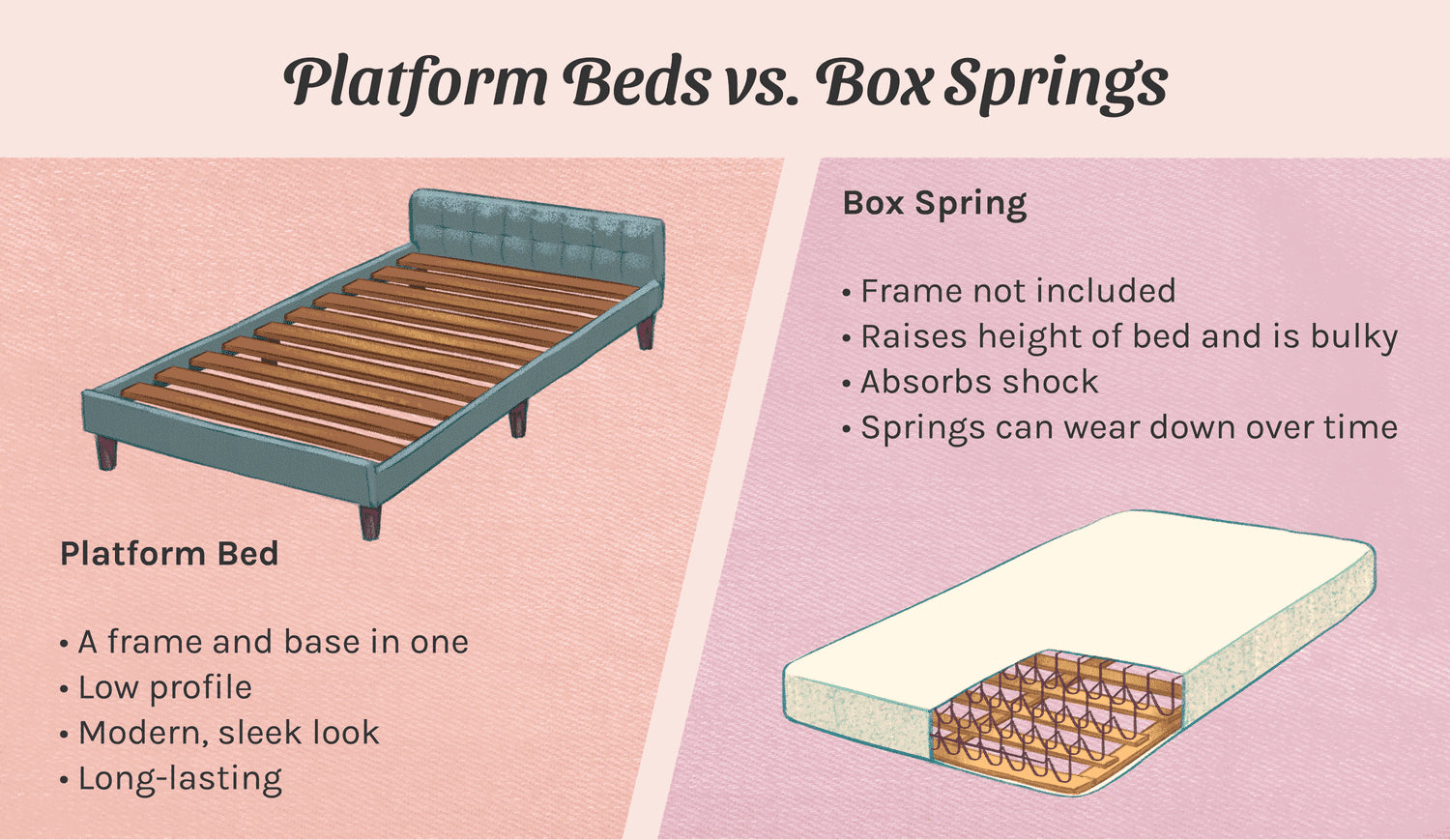
What is a Traditional Box Spring? (Hint: It Has Springs)
A traditional box spring is a wooden frame that contains a grid of steel springs. It was created to do two things for old, thin innerspring mattresses.
First, it absorbed shock, much like the suspension in a car. This helped the mattress last longer. Second, it added height to the bed. A box spring is designed to be a flexible base.
The Anatomy of a Modern Hybrid Mattress
A modern hybrid mattress is a multi-layer sleep system. It combines the best of both worlds: foam and springs.
The top layers are made of materials like memory foam, gel foam, or latex. These provide comfort and pressure relief. The bottom layer, or support core, is made of hundreds of individually wrapped coils. These are often called pocketed coils. This layer provides the deep support, durability, and bounce.
For instance, a mattress like the Sleepmax OmniFit™ Hybrid Mattress uses advanced coils as its core support system. This is engineered for targeted support and durability. This makes an additional spring system like a box spring unnecessary.
The Conflict: Support vs. "Double Bouncing"
When you place a hybrid mattress on a traditional box spring, you create a "spring-on-spring" system. The coils in the mattress sit on top of the coils in the box spring. This creates an unstable and overly bouncy foundation.
This setup does not provide the firm, consistent support a hybrid needs. The mattress can sag into the gaps of the box spring's flexible surface. This leads to premature wear, lumps, and an uneven sleep surface. This can cause back pain. As sleep experts point out that the combined layers in a hybrid are engineered for optimal comfort on a firm base, using a bouncy box spring interferes with this design.
The Right Support System: Choosing the Best Foundation for Your Hybrid Mattress
Since you don't need a box spring with a hybrid mattress, what should you use? Luckily, there are several excellent modern options. The right choice depends on your budget, style, and desired bed height.
Meet the Modern Alternatives: Platform, Foundation, Slats, and Adjustable
These are the four main types of support systems that work perfectly with a hybrid mattress.
- Platform Bed: This is a bed frame that has a built-in foundation. The surface can be solid or have slats. They often have a low-profile, modern look.
- Mattress Foundation (or "Box Foundation"): This is the modern replacement for a box spring. It's a wooden or metal box with wooden slats across the top. It's usually covered in fabric. It has no springs and provides a solid, flat surface.
- Slatted Base: This refers to any bed frame that uses a series of wooden or metal slats to support the mattress. The spacing of the slats is the most important factor.
- Adjustable Base: This is a high-tech, motorized base. It allows you to raise the head and feet of your bed. It offers lifestyle benefits for reading, watching TV, or helping with issues like snoring or acid reflux.
Comparison: Which Foundation is Right for You?
To help you decide, we've created a simple chart comparing these options. This will help you find the best base for your hybrid mattress.
| Feature | Platform Bed | Mattress Foundation | Slatted Base | Adjustable Base |
|---|---|---|---|---|
| Support | Excellent (Solid) / Good (Slatted) | Excellent | Good to Excellent (depends on slat spacing) | Excellent |
| Airflow | Poor (Solid) / Excellent (Slatted) | Good | Excellent | Good |
| Height | Typically lower profile | Adds standard bed height | Varies by frame | Adds significant height |
| Cost | $-$$$ | $ | $-$$ | $$$$ |
| Best For | Minimalist looks, value | Using a traditional bed frame (headboard/footboard) | Budget-conscious shoppers, hot sleepers | Lifestyle benefits (reading, anti-snore), luxury |
A Practical Checklist: How to Decide if You Can Keep Your Current Base

We know it's tempting to reuse your old base to save money. But is it a safe bet for your new hybrid? Let's walk through a quick 3-step inspection. This will help you see if your current setup is suitable.
Step 1: Is it a Box Spring or a Foundation?
This is the most important question. You need to figure out what you actually have.
Use the "Press Test." Push down firmly on the top surface of your base. Does it have a lot of give? Can you hear or feel springs moving? If so, you have a traditional box spring. It is not recommended for your hybrid mattress.
If the surface feels firm and rigid with very little give, you likely have a modern foundation. If it's a foundation, you can move on to the next step.
Step 2: Check the Slats and Support
If you have a foundation or a slatted bed frame, the next step is to inspect the slats. The spacing and condition of these slats are critical. They support a heavy hybrid mattress.
First, get a tape measure and check the distance between each slat. Most hybrid mattress warranties require slats to be no more than 3 inches apart. Any wider, and the mattress can sag between them. This causes damage over time.
Next, check the slats themselves. Look for any that are cracked, broken, or bending downward. A single weak slat can compromise the support for the entire mattress.
Step 3: Assess the Overall Condition
Finally, look at the overall frame. Does it sit level on the floor? Does it creak, squeak, or wobble when you move around on it?
Any signs of instability or damage mean it's time for a new base. Putting a brand-new mattress on a failing frame is a bad investment. You need a base that is just as sturdy and durable as the mattress it's holding.
The Bunkie Board Solution
What if your slats are too far apart, but the frame is otherwise in good shape? A bunkie board can be a great, low-cost solution. A bunkie board is a thin, 1- to 3-inch piece of wood, particleboard, or plywood.
You place it directly on top of your existing slats. This creates a solid, continuous surface. This provides the even support your hybrid mattress needs. You don't have to buy a whole new bed frame.
The Warranty Question: How the Wrong Base Can Cost You
One of the most important reasons to get the foundation right is the mattress warranty. Using the wrong base is one of the quickest ways to void it. This can be a very costly mistake.
Why Manufacturers Care About Your Foundation
A mattress is only as good as the support beneath it. Manufacturers know that an improper base is the number one cause of premature sagging and damage.
They offer warranties to cover defects in their product. They don't cover damage caused by improper use. If your mattress develops a sag because it was on a weak or unsupportive base, they will likely deny your warranty claim.
Reading the Fine Print: What to Look For
Before you set up your new bed, take a few minutes to read the warranty. You can usually find it on the manufacturer's website. It might also be in the papers that came with your mattress.
Look for specific terms like "adequate support," "solid foundation," or "center support." Pay close attention to any "slat spacing" requirements. Most brands specify a maximum gap of 2 to 3 inches. Choosing the right foundation is key to ensuring long-lasting comfort and support. The warranty tells you exactly what the manufacturer considers "right."
The Golden Rule: When in Doubt, Check the Warranty!
This is the best advice we can give. Every brand is slightly different. The only way to be 100% sure you are protecting your investment is to follow the specific guidelines for your mattress model. A quick check today can save you a huge headache later.
Final Verdict and Next Steps
So, do you need a box spring with a hybrid mattress? The final verdict is a clear no. Your hybrid mattress's best friend is a firm, solid, and durable support system.
Your best options are a platform bed, a modern mattress foundation, or a slatted base. Make sure slats are no more than 3 inches apart. An adjustable base is also a fantastic choice if it fits your budget and lifestyle.
Always remember to check your mattress warranty. Make sure your chosen base is compliant. By pairing your hybrid with the right support, you are not just buying a bed. You are investing in years of restorative, high-quality sleep. For a complete range of sleep solutions and expert advice, you can always explore more at https://www.sleepmax.com/
Frequently Asked Questions (FAQ)
1. Can I put a hybrid mattress on the floor?
Answer: You can temporarily, but it is not recommended for the long term. A floor is damp, cold, and might adorn arachnids. Besides, a hybrid mattress requires a bit of elevation for proper airflow.
2. What's the difference between a box spring and a foundation?
Answer: A traditional box spring contains metal coils and is designed to be flexible. It acts as a shock absorber. A foundation is a rigid, spring-free box, usually made of wood or metal with slats on top. Its purpose is to provide solid, inflexible support for modern mattresses like hybrids and memory foam.
3. Will using a box spring ruin my hybrid mattress?
Answer: It can. The lack of firm, even support from a box spring can cause the foam and coils in your hybrid to break down unevenly. This can lead to premature sagging, lumps, and an uncomfortable sleep surface.
4. How do I make my bed higher without a box spring?
Answer: You have several options. You can use a high-profile platform bed. You can place a mattress foundation (which comes in different heights) on your existing bed frame. You can use sturdy bed risers under the legs of your frame. A mattress foundation is the most common and supportive solution for adding height.
5. Do all hybrid mattresses have the same support needs?
Answer: While the general rule of "no traditional box spring" applies to all hybrids, specific requirements can vary. For example, some brands may require slat spacing to be 2.5 inches or less, while others allow up to 3 inches. Always check the manufacturer's recommendations for the specific mattress you own.



Leave a comment
This site is protected by hCaptcha and the hCaptcha Privacy Policy and Terms of Service apply.